Comparison of High Gas Barrier Resins: Including Materials with Excellent Stretchability and Water Solubility
This article compares the types and characteristics of gas barrier resins and explains their differences in oxygen transmission rate and humidity resistance. It covers representative materials such as EVOH, PVDC, and Polyvinyl Alcohol(PVOH), how to select a material for a particular application, and Nichigo G-Polymer™, which is well suited to oriented films and water-based coating applications.
- What Is Gas Barrier Performance, and Why Is It Important in Packaging?
- Types of Gas Barrier Resins
- Differences in Oxygen Barrier Performance among Gas Barrier Resins
- Which Gas Barrier Resin Is Best? Recommendations by Application
- Introducing Nichigo G-Polymer™: Excellent Gas Barrier Performance, Stretchability, Water Solubility, and More
What Is Gas Barrier Performance, and Why Is It Important in Packaging?
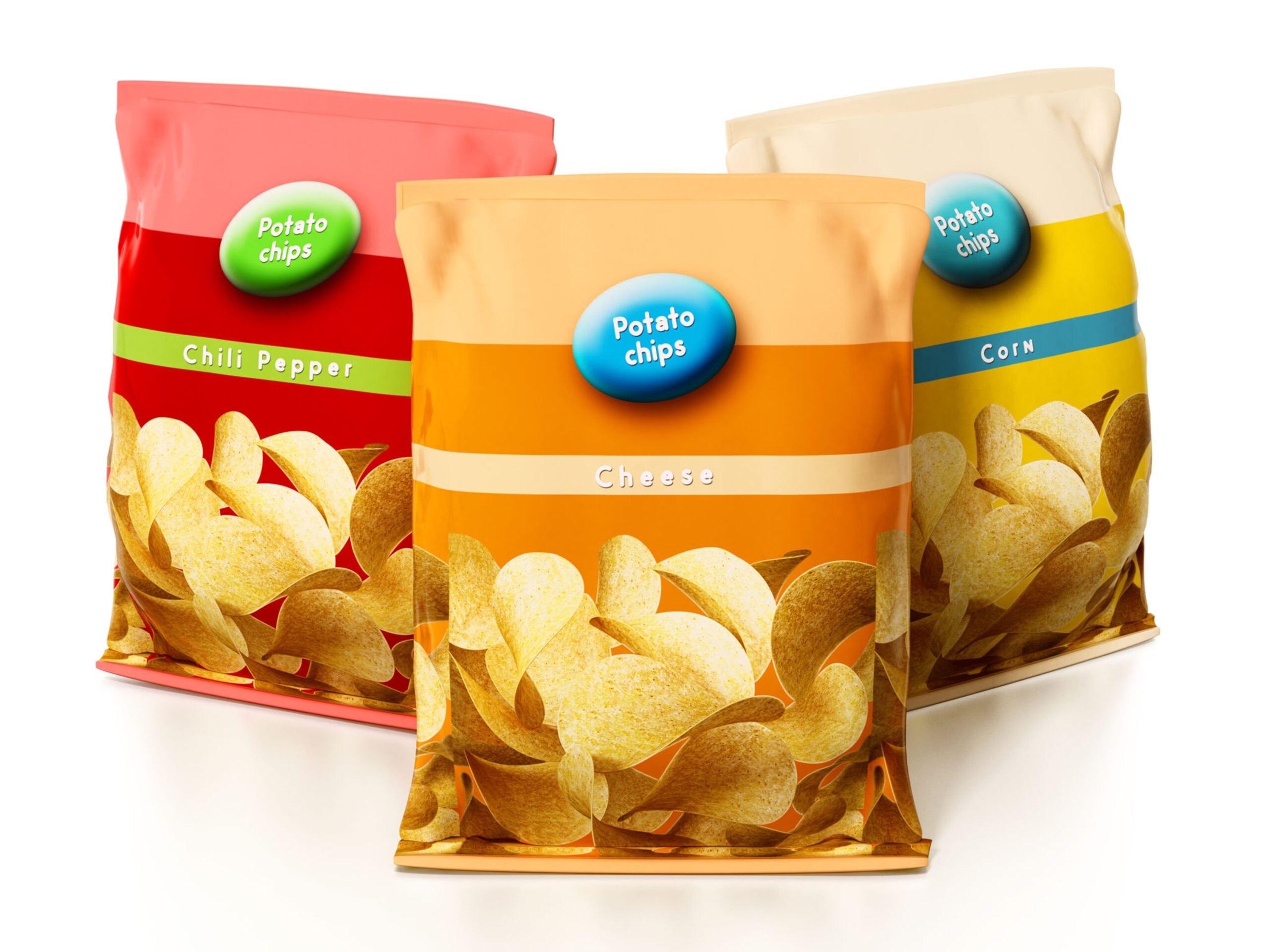
In food packaging, limiting the ingress of oxygen and other gases from the surrounding environment is essential to maintaining product quality. Because oxygen can cause food to oxidize, discolor, and lose flavor, packaging materials must provide high gas barrier performance.
For example, if oxygen enters packages containing snacks or processed foods, it can accelerate the oxidation of fats and oils and impair flavor. Discoloration and loss of nutritional value caused by oxidation can also adversely affect food quality.
Gas barrier performance is generally evaluated using the oxygen transmission rate (OTR). A lower OTR indicates better oxygen barrier performance.
Materials with these properties are known as gas barrier resins and are widely used in food-packaging films, containers, and other packaging formats.
Types of Gas Barrier Resins
Several types of resin provide gas barrier performance, and the appropriate material is selected according to the intended application and processing method. The following are representative gas barrier materials.
EVOH (Ethylene Vinyl Alcohol Copolymer)
EVOH is one of the most widely used gas barrier materials in food packaging. It provides exceptionally high oxygen barrier performance and is commonly used as the barrier layer in multilayer films.
PVDC (Polyvinylidene Chloride)
PVDC is known for its exceptionally high gas barrier performance and is used in applications such as coatings for food-packaging films. It is relatively resistant to the effects of humidity and therefore provides stable barrier performance.
Polyvinyl Alcohol(PVOH)
Polyvinyl Alcohol(PVOH) provides high oxygen barrier performance. Because It is water-soluble, it can be used as water-based coating materials.
MXD6 Nylon
MXD6 is a type of nylon resin characterized by relatively high humidity resistance. It may be used to improve the gas barrier performance of containers and other packaging formats.
Differences in Oxygen Barrier Performance among Gas Barrier Resins
Gas barrier resins differ in gas barrier performance, humidity resistance, applications, and other characteristics. The following table provides a general comparison of representative gas barrier resins in terms of oxygen barrier performance and humidity resistance.
| Material | Oxygen Barrier Performance under Low-Humidity Conditions | Humidity Resistance | Main Applications |
|---|---|---|---|
| PVDC | High | Very high | Coatings |
| EVOH | Very high | Low | Multilayer films |
| PVOH | Very high | Low | Coatings |
| MXD6 | Moderate | High | Containers |
| BVOH | Very high | Low | Films and coatings |
Which Gas Barrier Resin Is Best? Recommendations by Application
There are many types of gas barrier resin, each with different performance characteristics and advantages. This section introduces materials suited to representative applications and explains their key features.
Resins Suitable for Barrier Coating Applications
Barrier coating applications for paper packaging and films require resins that can be formulated as water-based coatings. In recent years, growing interest in reducing environmental impact has accelerated the shift from solvent-based materials to water-based alternatives, increasing demand for water-based barrier coating materials.
Representative resins include the following:
Representative Resins
・PVDC
・Polyvinyl Alcohol(PVOH)
・Nichigo G-Polymer™
PVDC is widely used in coating applications because it provides exceptionally high gas barrier performance and is relatively resistant to humidity.
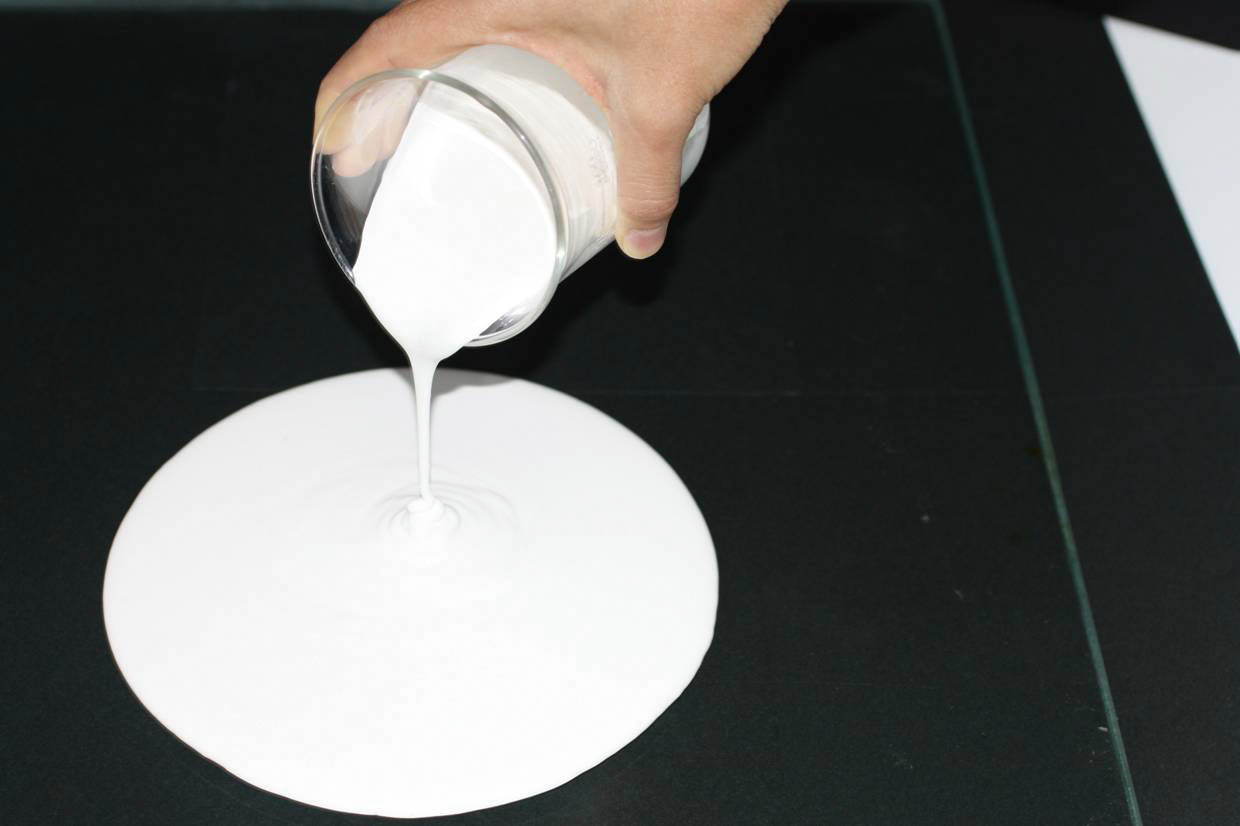
Nichigo G-Polymer™, a vinyl alcohol-based resin, is water-soluble and can be used to prepare coating solutions with water as the solvent. It enables the formulation of high-solids, low-viscosity solutions, helping provide ease of handling during coating operations.
It also offers excellent solution viscosity stability and low foaming, which can help reduce coating problems caused by bubbles. Because of these properties, Nichigo G-Polymer™ is expected to serve as a water-based barrier coating material for forming barrier layers on paper packaging and films.
Resins Suitable for Oriented Film Development
To reduce environmental impact and plastic consumption, the food-packaging industry increasingly requires thinner films. As a result, high-performance films produced through orientation processes are under active development. The following materials are used in oriented film applications.
Representative Resins
・EVOH
・Nichigo G-Polymer™
EVOH is widely used as the barrier layer in multilayer films because of its high oxygen barrier performance. However, its stretchability can be a limitation in some orientation processes.
Nichigo G-Polymer™, a vinyl alcohol-based resin, provides high gas barrier performance under low-humidity conditions. It also offers greater stretchability than ethylene vinyl alcohol copolymer (EVOH), a widely used barrier material, making it well suited to oriented barrier films.
Introducing Nichigo G-Polymer™: Excellent Gas Barrier Performance, Stretchability, Water Solubility, and More
Mitsubishi Chemical’s Nichigo G-Polymer™ is a butenediol vinyl alcohol copolymer resin (BVOH) that combines gas barrier performance, extrusion processability, water solubility, stretchability, and biodegradability.
It provides high gas barrier performance under low-humidity conditions and offers greater stretchability than ethylene vinyl alcohol copolymer (EVOH), a widely used barrier material. These properties make Nichigo G-Polymer™ particularly compatible with oriented barrier films.
In gas barrier packaging, the material helps suppress oxidation of the packaged contents by limiting oxygen ingress from the atmosphere. It can also help retain inert gases inside the package, contributing to longer shelf life and reduced food loss. Its adoption is expanding, particularly in Europe, for dry-food packaging and other barrier applications.
Key Features of Nichigo G-Polymer™
The principal features of Nichigo G-Polymer™ are as follows.
Gas Barrier Performance
Despite its low crystallinity, Nichigo G-Polymer™ provides excellent gas barrier performance because of its high hydrogen-bonding strength. Under dry conditions, it delivers oxygen barrier performance 30 to 600 times higher than that of ethylene vinyl alcohol copolymer (EVOH), a commonly used oxygen barrier material.
It also provides exceptionally high oxygen barrier performance in low-humidity environments. This helps limit the deterioration of foods and other contents that are vulnerable to oxidation and enables packaging materials to deliver a high level of protection.
Stretchability
Films made with Nichigo G-Polymer™ offer excellent stretchability. In biaxial orientation processes, they can be stretched by up to 7.5 × 7.5 at processing temperatures of 150–160°C.
Water Solubility
Nichigo G-Polymer™ offers excellent water solubility and enables the formulation of high-solids, low-viscosity solutions. Its ease of use can improve handling and production efficiency.
Excellent Coating Performance
The resin provides high solution viscosity stability, helping minimize variations in quality even after extended storage. It also offers excellent drying properties and can accommodate formulations with high solids content or formulations used in combination with alcohol.
Its low-foaming characteristics can help reduce bubble-related problems during coating and provide stable film formation with various coating methods. This broad compatibility with coating processes and stable film-forming performance are important advantages.
Potential Applications and Benefits
Nichigo G-Polymer™ can be used as the barrier layer in food-packaging materials by taking advantage of its high gas barrier performance. Its use in food packaging can provide the following potential benefits:
・Reduced oxidative deterioration of food
・Longer shelf life
・Better retention of flavor and color
・Fewer quality-related complaints
Because it can be formulated as a water-based material, it is also well suited to the development of packaging designed with environmental considerations in mind.
Differences from Similar Products
Compared with polyvinyl alcohol (PVOH), another vinyl alcohol-based material, Nichigo G-Polymer™ offers characteristics that make it easier to handle in coating applications.
The following properties help provide stable coating performance:
・High solution viscosity stability
・High compatibility with solvents
・Low foaming during coating
Nichigo G-Polymer™ also provides excellent flex-crack and pinhole resistance, allowing it to maintain barrier performance in applications subjected to repeated flexing.
Mitsubishi Chemical can recommend ways to use Nichigo G-Polymer™ according to your application requirements. Please contact us to discuss potential uses or request a sample.

Explanation of Related Fundamental Knowledge and Terminology





-scaled.jpg)